Water Damage Restoration in Medford, OR: Why Rain & Leaks Cause Hidden Damage in Homes
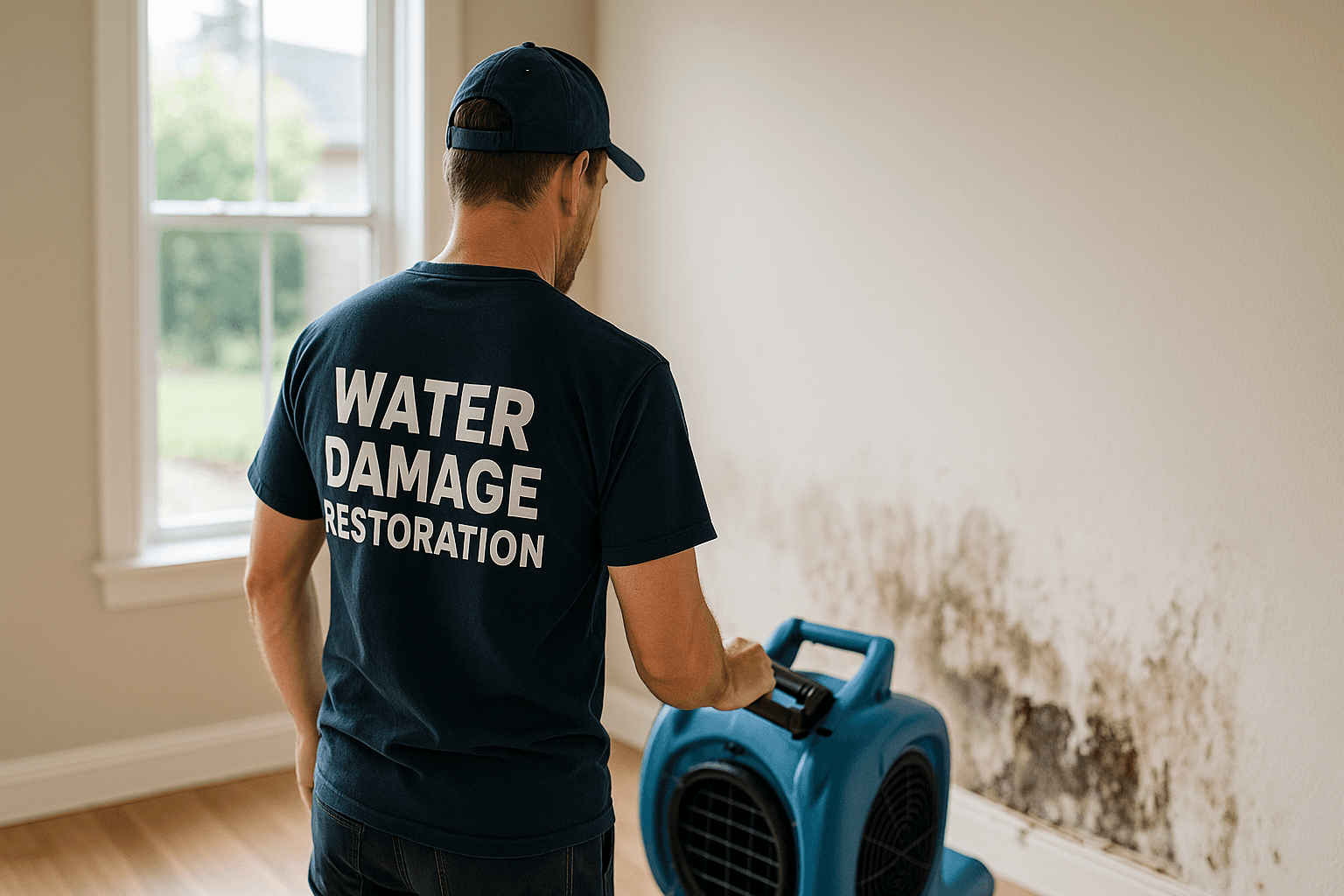
Medford gets 19 inches of rain a year on average — most of it in a wet six-month stretch from October through March. The visible damage from a roof leak or burst pipe is the small problem. The bigger problem is the slow water that wicks into wall cavities, crawl spaces, and subfloors over weeks of damp weather, creating hidden rot, mold, and structural softening homeowners only notice months later when the smell appears or the floor sinks. This guide explains where Medford water hides, the warning signs you can spot now, and what to do when you find it.
Key Takeaways
- Most Medford water damage starts as a hidden slow leak — not a dramatic flood event.
- Mold begins growing within 48 hours of water exposure; hidden moisture often goes 30+ days before discovery.
- Crawl spaces, attic substrates, and bathroom wall cavities are the top hiding spots.
Why Medford Water Damage Is Different
Long Wet Season + Mild Temperatures
Medford's October–March wet season pairs steady rainfall with mild temperatures (40–55°F). That combo is ideal for mold growth — colder climates freeze the water, hotter climates dry it out, but Medford keeps moisture present and warm enough for fungi to thrive.
Older Housing Stock
Many Medford homes were built 1940–1980 with cedar shake roofs, wood siding, and inadequate vapor barriers. These materials hold water longer than modern construction and disguise leaks for months.
Crawl Space Construction
Most Medford homes have crawl spaces rather than slabs. Crawl spaces collect groundwater, condensation from HVAC ducts, and slow plumbing drips — all of which feed mold and rot the subfloor from below.
Where Water Hides in Medford Homes
- Behind tubs and showers where caulk has failed or grout has cracked.
- Around toilet bases where wax rings have degraded.
- In wall cavities below windows where flashing has failed.
- Crawl space subfloor from groundwater seepage and HVAC condensation.
- Attic substrates around bathroom vents and skylights.
- Behind kitchen cabinets against exterior walls.
Warning Signs You Can Spot This Weekend
- Musty smell that comes and goes — strongest after rain.
- Wood floors that feel soft, springy, or sloped near walls.
- Paint or wallpaper bubbling, peeling, or discoloring.
- Tile grout that stays dark even after the bathroom dries.
- Increased allergy or asthma symptoms at home that improve elsewhere.
- Unexplained spike in water bill (could be a slow plumbing leak).
The 48-Hour Mold Window
Per the EPA, mold colonies establish within 24–48 hours of water exposure on porous materials. Hidden water damage usually goes undetected for weeks — meaning by the time you find it, mold remediation is mandatory, not optional.
The Insurance Information Institute reports that water damage and freezing claims average $13,954 nationally — Medford claims often run higher due to crawl space and structural complications.
What Comprehensive Restoration Looks Like
- Moisture mapping with infrared cameras to find the actual water source.
- Containment around affected areas to prevent spore spread.
- Selective demolition to remove saturated drywall, insulation, and subfloor.
- Structural drying with industrial dehumidifiers and air movers for 3–7 days.
- Antimicrobial treatment of all exposed framing.
- Reconstruction (drywall, paint, flooring, fixtures) to restore appearance.
Frequently Asked Questions
How much does water damage restoration cost in Medford?
Hidden water damage with mold remediation: $3,500–$15,000+ depending on scope. Crawl space restoration adds $2,500–$8,000.
Will my insurance cover hidden water damage?
Standard homeowners covers SUDDEN water damage but excludes gradual leaks. Document everything with photos and a professional assessment to support the claim.
How long does drying take in Medford?
3–5 days for typical residential damage. Crawl space drying can take 7–14 days due to limited airflow.
Can I run dehumidifiers myself?
Residential dehumidifiers help but lack the capacity to dry inside wall cavities or under subfloors. Professional industrial equipment is 10–20x more powerful.
When to Call Devry Property Restoration
Devry Property Restoration serves Medford, Ashland, Grants Pass, and the broader Rogue Valley with IICRC-certified water damage and mold remediation. Free on-site assessment includes infrared moisture mapping to find what you cannot see.
Call our 24/7 emergency line or search Water Damage Restoration Near Me in Medford. The first 48 hours after discovering moisture decide whether you face cleaning or full reconstruction.